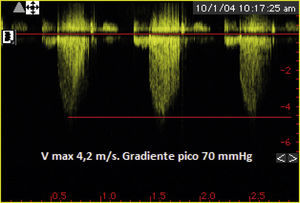
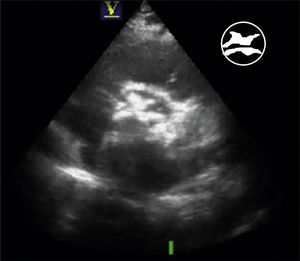
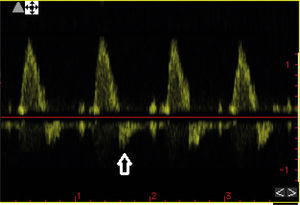

Etiología: la causa más frecuente de EAo en la actualidad es la EAo calcificada degenerativa relacionada con la edad.
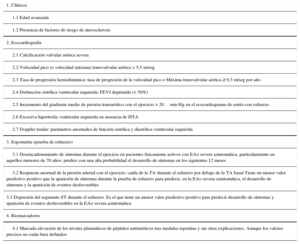
Evaluación diagnósticala ecocardiografía transtorácica es la principal herramienta diagnóstica, también para el seguimiento. Otras técnicas diagnósticas útiles son el ECG basal, la ecocardiografía de estrés con esfuerzo y con Dobutamina, la ecocardiografía transesofágica, la ergometría, la TAC multicorte y la RM cardiaca, los péptidos natriuréticos y el cateterismo cardiaco.
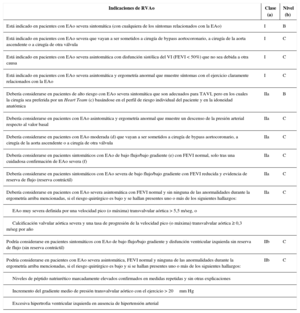
Manejose debe intervenir sobre los pacientes con EAo severa sintomática, principalmente con cirugía de recambio valvular aórtico, y si el riesgo quirúrgico es muy alto, la TAVI puede ser una adecuada alternativa.
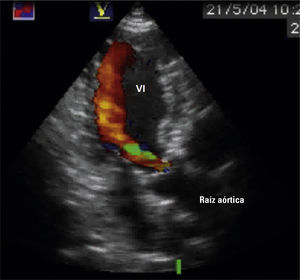
Insuficiencia aórtica (IAo)Etiología: se produce por enfermedad primaria de la válvula aórtica y/o de la raíz aórtica.
Evaluación diagnósticala ecocardiografía transtorácica también es la principal herramienta diagnóstica y para el seguimiento. Otras técnicas diagnósticas útiles son el ECG basal, la ecocardiografía transesofágica, la TAC multicorte y la RM cardiaca, la ergometría y el cateterismo cardiaco.
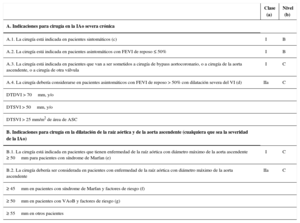
Manejola IAo severa aguda debe ser sometida a cirugía urgente. En la IAo severa crónica, cuando aparecen síntomas y/o disfunción sistólica ventricular izquierda hay que realizar cirugía de la válvula aórtica. A veces hay que efectuar cirugía de la raíz aórtica y aorta ascendente, y se llevará a cabo con independencia de la severidad de la IAo.
: presently, the most frequent cause of AS is the related to age degenerative calcificated AS.
Diagnostic evaluationtransthoracic echocardiography is the key diagnostic tool, also for follow-up. Other useful diagnostic techniques are basal EKG, exercise and Dobutamine stress ecocardiography, transesophageal echocardiography, exercise stress testing, multi-slice CT and cardiac MR, natriuretic peptides and cardiac catheterization.
Managementwe must intervene on patients with symptomatic severe AS, mainly by surgical aortic valve replacement, and if surgical risk is very high, TAVI can be a suitable alternative.
Aortic regurgitation (AR): Etiologyit can be caused by aortic valve and/or aortic root primary disease.
Diagnostic evaluationtransthoracic echocardiography is the key diagnostic tool too, also for follow-up. Other useful diagnostic techniques are basal EKG, transesophageal echocardiography, multi-slice TC and cardiac MR, exercise stress testing and cardiac catheterization.
Managementsevere acute AR must be urgently operated. In chronic severe AR, when symptoms and/or left ventricular systolic dysfunction appear, we must undertake aortic valve surgery. Sometimes, it is necessary to perform surgery on aortic root an ascending aorta, and it will be performed whatever the severity of AR.
Identifíquese
¿Aún no es suscriptor de la revista?
Comprar el acceso al artículo
Comprando el artículo el pdf del mismo podrá ser descargado
Teléfono para incidencias
De lunes a viernes de 9h a 18h (GMT+1) excepto los meses de julio y agosto que será de 9 a 15h